Unlocking the mysteries of international trade can often feel like cracking a secret code. Among the myriad terms, acronyms, and jargon lies a concept that stands out for its pivotal role in global commerce—OEM. For American businesses importing from China and Vietnam, particularly those involved in retail and supply chain management, understanding OEM is more than just an academic exercise; it’s a strategic necessity.
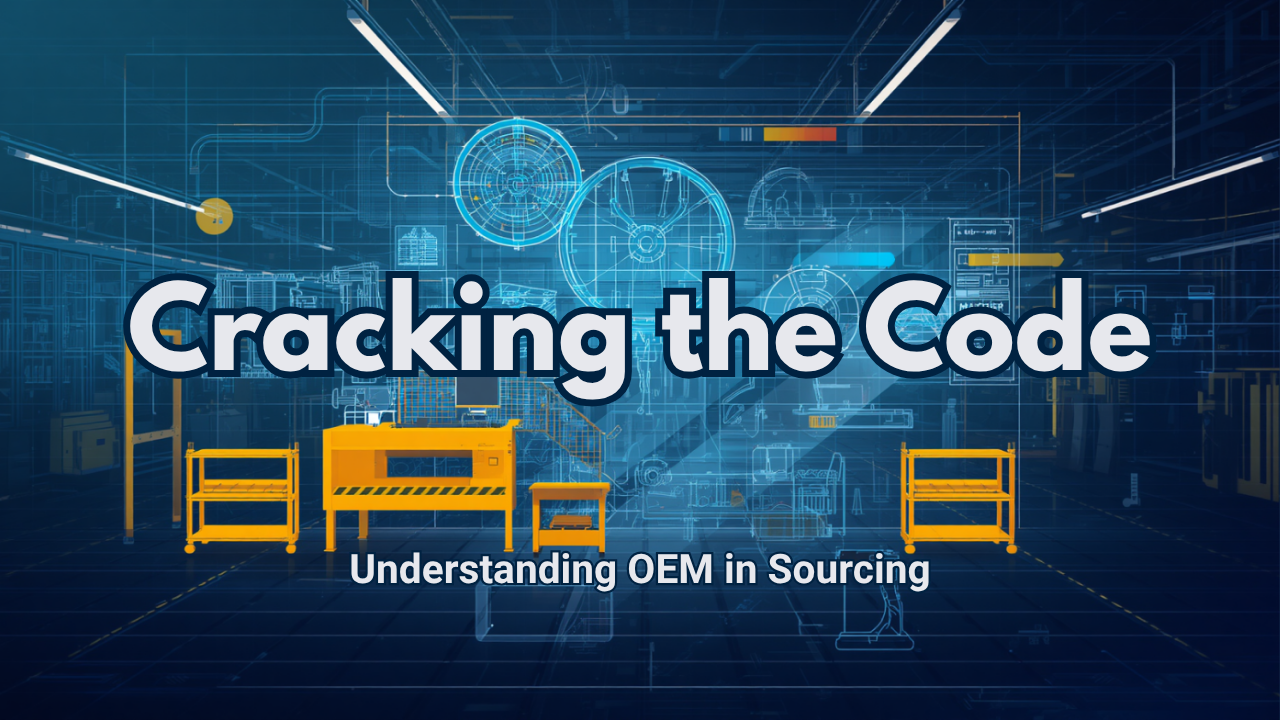
In this post, we’ll demystify OEM, exploring its meaning, importance, and impact on sourcing. We’ll also address common challenges faced by businesses engaging with OEMs and provide insights to help you leverage OEM relationships effectively.
At its core, OEM stands for "Original Equipment Manufacturer." It’s a term frequently encountered in the world of manufacturing and supply chain management. But what does it really mean for your business? Essentially, an OEM is a company that produces parts and equipment that may be marketed by another manufacturer. Imagine a tech giant selling laptops under its brand, while the internals are produced by another entity—that's the OEM at work.
For businesses importing goods, understanding what OEM means in order terms is crucial. OEMs play a key role in production but may not necessarily sell directly to end consumers. This distinction can influence how products are sourced, priced, and marketed.
The definition of OEM extends beyond just the production of goods. It encapsulates a partnership where one company manufactures components or products that are branded and sold by another. This model thrives in industries like technology, automotive, and consumer electronics, where specialized production and branding are distinct operations.
When considering OEM in the context of shipping terms, it becomes clear that the relationship between the OEM and the buyer is integral to logistics and distribution. Effective partnerships with OEMs can streamline supply chains, reduce costs, and enhance product quality.
OEMs are the backbone of many sourcing strategies, especially for businesses importing from Asia. They offer a means to access high-quality products without the need to invest in production facilities. This is particularly valuable for startups or small businesses looking to compete on a global scale without substantial upfront investment.
In sourcing, OEMs provide expertise and capabilities that might be beyond the reach of smaller companies. By tapping into the skills and facilities of an OEM, businesses can focus on branding, marketing, and growth while leaving production to the experts.
Quality control is paramount when dealing with OEMs. The reputation of your brand hinges on the quality of products your customers receive. Establishing stringent quality control measures is essential to ensure that the products manufactured by your OEM meet your standards.
Collaborating closely with your OEM on quality assurance processes can prevent defects and ensure consistency across shipments. Transparency and communication are key to building a reliable quality control framework that protects your brand’s integrity.
Globalization has transformed the landscape of OEM sourcing, offering businesses unprecedented access to international markets and suppliers. However, this global reach also introduces complexities around logistics, cultural differences, and regulatory compliance.
For American businesses importing from China and Vietnam, these challenges require a nuanced approach to sourcing. By understanding the nuances of OEM sourcing in a globalized market, businesses can capitalize on opportunities while mitigating risks associated with cross-border trade.
While the benefits of working with OEMs are clear, there are also inherent challenges. Navigating cultural differences and communication barriers can pose significant obstacles. Additionally, reliance on third-party manufacturers introduces risks related to intellectual property and supply chain disruptions.
To overcome these challenges, businesses must establish clear agreements, maintain open lines of communication, and invest in building strong, trust-based relationships with their OEM partners. Leveraging local expertise, such as sourcing agents, can also be invaluable in bridging cultural and logistical gaps.
When leveraged effectively, OEM partnerships can provide a competitive edge. They enable businesses to innovate rapidly, adapt to market demands, and scale efficiently. By focusing on core competencies while outsourcing production, companies can achieve greater agility and responsiveness in their operations.
OEM partnerships also allow for flexibility in product offerings. By collaborating with multiple OEMs, businesses can diversify their product lines and tailor offerings to specific market segments, enhancing their overall competitive positioning.
Looking ahead, the role of OEMs is likely to evolve as technology and market dynamics shift. The rise of digital platforms and advanced manufacturing technologies, such as 3D printing, could redefine traditional OEM models. Businesses must stay informed and adaptive to leverage future OEM opportunities effectively.
Emerging trends in sustainability and ethical sourcing are also influencing OEM relationships. Companies are increasingly prioritizing partnerships with OEMs that align with their values and sustainability goals, reflecting broader shifts in consumer preferences and regulatory landscapes.
Effective OEM partnerships are built on collaboration and transparency. Businesses should invest time in understanding their OEM’s capabilities, strengths, and limitations. Regular communication, shared goals, and mutual respect form the foundation of a successful OEM relationship.
By fostering collaboration, businesses can drive innovation, improve efficiency, and achieve shared success. This collaborative approach not only enhances product quality but also strengthens the overall supply chain.
Technology plays a crucial role in optimizing OEM sourcing strategies. Digital tools and platforms can streamline communication, enhance supply chain visibility, and facilitate real-time tracking of shipments. By integrating technology into OEM relationships, businesses can enhance efficiency and responsiveness.
Investing in technology solutions that support data-driven decision-making can also improve forecasting, inventory management, and demand planning, further enhancing the value derived from OEM partnerships.
Understanding the meaning and implications of OEM in sourcing is vital for businesses looking to thrive in the global market. By leveraging OEM partnerships strategically, companies can access high-quality products, optimize their supply chains, and achieve greater competitive advantage.
For American businesses importing from China and Vietnam, the insights provided in this guide can serve as a foundation for building successful OEM relationships. By focusing on quality control, collaboration, and technology integration, businesses can unlock the full potential of OEM sourcing and drive sustainable growth.
If you're ready to take your sourcing strategy to the next level, consider reaching out to sourcing experts who can provide tailored solutions and support for your business needs. Whether you're seeking guidance on quality control, supplier selection, or logistics management, expert assistance can be invaluable in navigating the complexities of global sourcing.